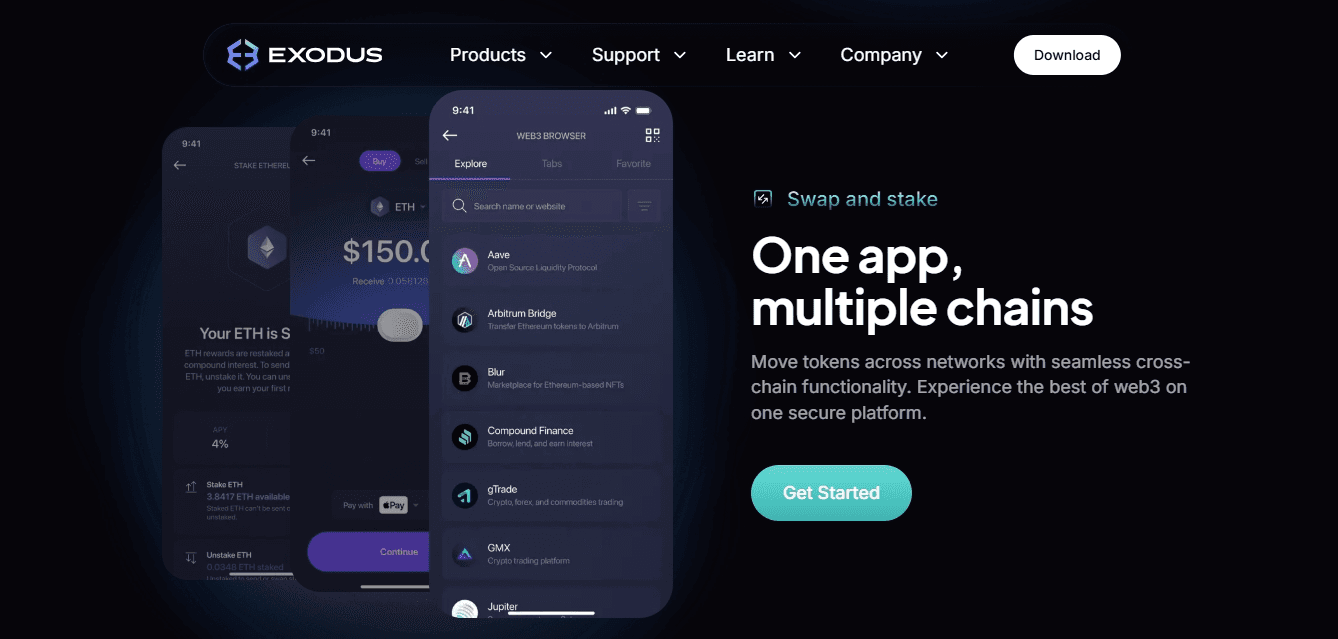
Explore the Exodus Web3 Wallet – Your Gateway to Secure Crypto and Web3
Welcome to the Exodus Web3 Wallet, the all-in-one platform designed to help you manage cryptocurrencies, NFTs, and Web3 applications securely and intuitively. Exodus combines a user-friendly interface with advanced security features, enabling you to explore the digital asset ecosystem while keeping your private keys fully in your control.
Whether you are new to crypto or a seasoned Web3 enthusiast, this guide will walk you through everything you need to know: from installing and setting up the wallet, managing cryptocurrencies, interacting with decentralized applications (DApps), and keeping your assets secure.
By the end, you will have the knowledge to confidently use Exodus Web3 Wallet to manage digital assets, explore DeFi opportunities, and interact safely with the Web3 ecosystem.
What is the Exodus Web3 Wallet?
Exodus Web3 Wallet is a non-custodial wallet, meaning you are the sole owner of your private keys. Unlike custodial wallets provided by exchanges, Exodus ensures that your funds are stored securely on your device rather than on a third-party server. This gives you full control over your assets while maintaining privacy and security.
Key features of Exodus Web3 Wallet include:
Multi-Currency Support: Manage hundreds of cryptocurrencies and tokens across different blockchains.
NFT Support: Store, view, and manage your non-fungible tokens.
Web3 Integration: Access decentralized applications (DApps) directly from the wallet.
Portfolio Tracking: Track your holdings and their real-time market value.
Built-in Exchange: Swap tokens safely without leaving the wallet interface.
Exodus Web3 Wallet is available on desktop, mobile, and as a browser extension, providing flexible access to your assets across multiple devices.
Why Use Exodus Web3 Wallet?
Using Exodus Web3 Wallet offers multiple advantages:
Full Control of Private Keys: You are the only one with access to your private keys and funds.
User-Friendly Interface: Designed for beginners and advanced users, the wallet makes crypto management intuitive.
Secure Asset Management: Your keys are encrypted and stored locally on your device, reducing exposure to hacks.
Cross-Platform Access: Desktop, mobile, and browser extension support allow seamless management across devices.
Web3 and DeFi Access: Interact with DApps, participate in staking, and explore DeFi protocols directly from the wallet.
These benefits make Exodus Web3 Wallet a secure and versatile option for managing cryptocurrencies and exploring Web3.
Installing Exodus Web3 Wallet
Getting started with Exodus is straightforward:
Download the Official Wallet: Always download Exodus Web3 Wallet from the official website to avoid phishing or fake versions.
Install the Application: Follow instructions for your operating system—available on Windows, macOS, Linux, iOS, and Android.
Launch the Wallet: Open the app and select either “Create New Wallet” or “Restore Wallet” if you already have an existing wallet.
Always ensure your device is secure and free from malware before installing any cryptocurrency wallet.
Creating a New Wallet
When creating a new Exodus wallet:
Generate a Recovery Phrase: Exodus provides a 12-word recovery phrase that serves as a backup for your wallet.
Write Down the Phrase: Store it offline in a secure location; do not take screenshots or save it digitally.
Confirm the Recovery Phrase: Verify that you have recorded it correctly to ensure you can recover your wallet if necessary.
Your recovery phrase is the most important element of wallet security—anyone with access to it can control your funds. Exodus will never ask for this phrase outside of wallet recovery.
Restoring an Existing Wallet
If you already have a wallet or are migrating from another platform:
Select “Restore Wallet” during setup.
Enter your 12-word recovery phrase carefully.
Confirm the restoration to access all your funds and assets.
Always use a secure, trusted device when restoring your wallet.
Understanding the Exodus Interface
Exodus Web3 Wallet is designed to be intuitive:
Portfolio Tab: Displays your crypto balances, token allocation, and overall portfolio value.
Wallet Tab: Lists all assets individually with detailed transaction history.
Exchange/Swap Feature: Built-in decentralized exchange for swapping tokens securely.
DApp Browser: Access Web3 applications like NFT marketplaces, staking platforms, and DeFi protocols.
Settings: Manage security options, back up your wallet, and customize your experience.
Take time to explore each tab to understand all the features available.
Sending and Receiving Cryptocurrency
Managing your assets is simple:
Receiving Funds: Share your public wallet address or scan the wallet’s QR code. Only share your public address—never your private keys or recovery phrase.
Sending Funds: Enter the recipient address, amount, and network fees, then confirm the transaction.
Transaction Verification: Exodus allows you to review and verify transactions to ensure accuracy before broadcasting to the blockchain.
Always double-check addresses and amounts before sending cryptocurrency, as blockchain transactions are irreversible.
Managing Multiple Cryptocurrencies
Exodus supports a wide variety of cryptocurrencies, allowing you to:
Create and manage accounts for multiple tokens
Track balances and transaction history for each asset
Swap or exchange tokens safely within the wallet
This makes it easy to handle a diversified portfolio while keeping private keys offline and secure.
Security Features in Exodus Web3 Wallet
Exodus Web3 Wallet prioritizes security with multiple layers:
Private Key Control: All private keys are stored locally on your device.
Encrypted Backup: Recovery phrase is encrypted and stored securely.
PIN/Passcode Protection: Lock the wallet with a secure passcode or biometric authentication on mobile.
Transaction Verification: Confirm all transactions before signing.
Device Security: Use secure, trusted devices to reduce exposure to malware or phishing attacks.
Following these security measures ensures your funds remain protected.
Backing Up Your Wallet
Backup is critical for non-custodial wallets:
Record Your Recovery Phrase: Store it securely offline.
Consider Multiple Storage Locations: Split backups to reduce the risk of loss.
Never Store Digitally: Screenshots, cloud storage, or text files are vulnerable to hacks.
A proper backup strategy ensures that your assets remain recoverable even if your device is lost or damaged.
Interacting with Web3 and DApps
Exodus Web3 Wallet integrates a DApp browser, allowing users to interact with decentralized applications safely:
Access NFT marketplaces, DeFi lending/borrowing platforms, and staking protocols
Participate in decentralized finance and Web3 ecosystems without exposing private keys
Use your wallet to sign transactions directly within DApps securely
Always verify that the DApp is legitimate and trusted before interacting to avoid phishing or malicious contracts.
Swapping and Trading Tokens
Exodus Web3 Wallet includes a built-in swap feature, enabling secure token exchanges:
Swap between supported tokens on multiple blockchains
Review exchange rates and network fees before confirming
Execute swaps securely without leaving the wallet
This functionality simplifies portfolio management while maintaining a high level of security.
NFT Management
Exodus allows users to store, view, and manage NFTs:
View NFTs in your wallet with clear visuals and metadata
Send or receive NFTs securely
Interact with NFT marketplaces via the integrated Web3 browser
NFT management provides an additional layer of functionality for users interested in digital collectibles.
Staking Cryptocurrency
Exodus supports staking for supported cryptocurrencies:
Earn Rewards: Participate in proof-of-stake networks to earn passive income.
Delegate Tokens Safely: Stake without transferring ownership of your assets.
Track Staking Performance: Monitor rewards and performance directly in the wallet.
Staking with Exodus combines usability with security, allowing you to grow your holdings safely.
Common Security Practices
To maximize wallet safety:
Keep your recovery phrase offline and private
Enable PIN or biometric authentication
Regularly update Exodus for new security patches
Only interact with trusted DApps
Avoid sharing sensitive information with anyone
Security habits are as important as the wallet itself for protecting your cryptocurrency.
Recovering a Lost Wallet
If your device is lost or compromised, you can restore your wallet:
Install Exodus Web3 Wallet on a new device
Select “Restore Wallet” and enter your recovery phrase
Access all your assets safely
Never share your recovery phrase with anyone—even support staff—because it grants full access to your funds.
Staying Safe from Scams
Cryptocurrency users must remain vigilant:
Avoid unofficial Exodus apps or download links
Never share your recovery phrase, private keys, or PIN
Verify addresses and transactions carefully
Be cautious of unsolicited offers or phishing attempts
Maintaining awareness reduces the risk of losing funds.
Your Responsibility as an Exodus User
Exodus is a non-custodial wallet, meaning you are responsible for the security of your assets:
Backup your recovery phrase securely
Use trusted devices and follow best practices
Verify all transactions and DApps interactions
Stay informed about wallet updates and crypto security news
The wallet provides tools, but your diligence ensures the safety of your assets.
Getting Started with Exodus Web3 Wallet
Exodus Web3 Wallet combines ease of use with advanced security, making it a versatile choice for managing cryptocurrency, NFTs, and Web3 interactions. Start your journey by:
Downloading the wallet from official sources
Creating or restoring a wallet
Exploring features like sending/receiving crypto, staking, NFT management, and DApp browsing
Following security best practices to protect your recovery phrase and private keys
With careful setup and consistent security habits, Exodus Web3 Wallet enables you to manage digital assets confidently while exploring the opportunities of Web3.