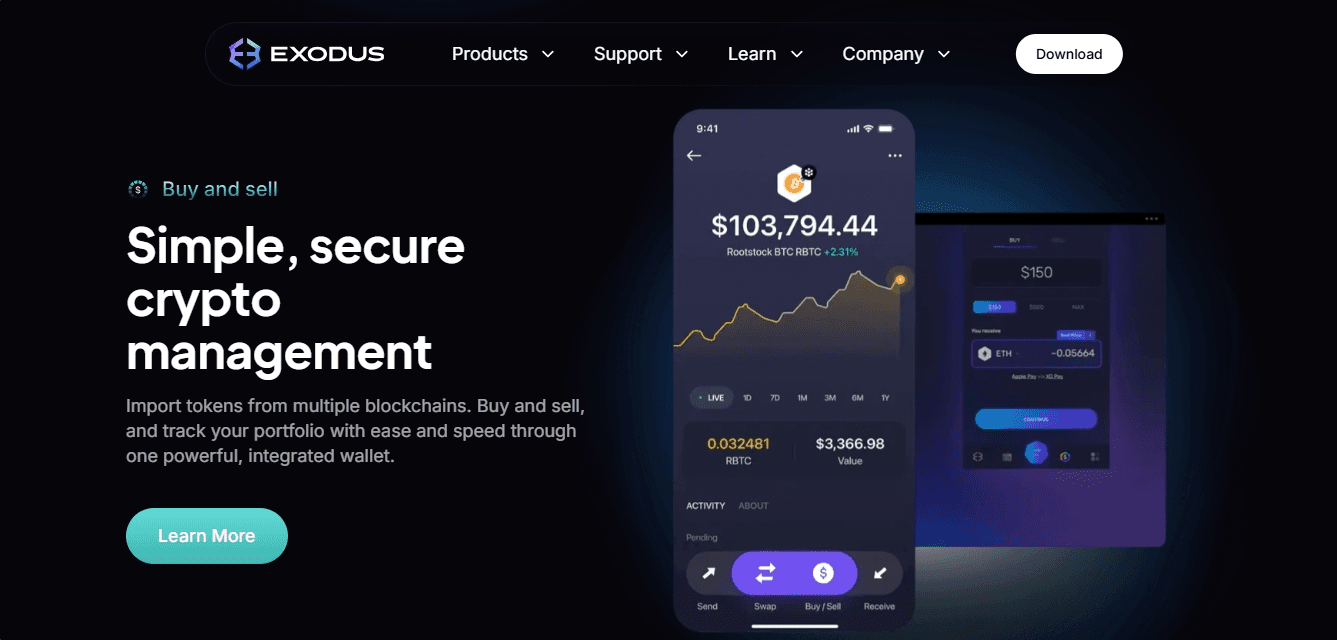
Get Started with Exodus Web3 Wallet: Securely Manage Your Crypto and DeFi Assets
Welcome to Exodus Web3 Wallet, your all-in-one solution for managing cryptocurrency, NFTs, and decentralized finance (DeFi) applications. Exodus is designed to provide a user-friendly and secure platform for beginners and advanced users alike, giving you full control over your digital assets while integrating with the Web3 ecosystem.
This guide will take you through everything you need to know about setting up Exodus Web3 Wallet, securing it, exploring its features, and managing your crypto safely.
What Is Exodus Web3 Wallet?
Exodus Web3 Wallet is a non-custodial cryptocurrency wallet. Non-custodial means that you hold your private keys and recovery phrase, giving you complete control over your digital assets. Exodus supports thousands of cryptocurrencies, tokens, and NFTs, while also offering access to Web3 applications such as DeFi platforms and NFT marketplaces.
Key Benefits of Exodus:
Full control of private keys: Your assets stay in your possession
Integrated Web3 access: Interact with decentralized applications safely
Cross-platform support: Desktop, mobile, and browser extensions
Portfolio tracking: Monitor balances and asset performance
Secure and private: Your data stays on your device
Exodus combines ease of use with robust security for a seamless crypto experience.
Before You Begin
To set up Exodus Web3 Wallet, prepare the following:
A desktop or mobile device with internet access
Time and privacy to safely create and secure your wallet
A secure place to store your recovery phrase offline
⚠️ Security Reminder: Exodus will never ask for your recovery phrase. Any request outside the wallet is a scam.
Step 1: Download and Install Exodus Web3 Wallet
Exodus is available on multiple platforms:
Desktop: Windows, macOS, Linux
Mobile: iOS and Android
Browser extension: For easy Web3 interaction
How to Install:
Go to the official Exodus website: https://www.exodus.com
Download the correct version for your platform
Install the application following the on-screen instructions
Open the app and start the setup process
✅ Always verify that you are downloading the wallet from the official website.
Step 2: Create a New Wallet
When opening Exodus for the first time, you will be prompted to create a wallet.
Steps:
Select Create a New Wallet
Review and accept the Terms of Service and Privacy Policy
Generate your 12-word recovery phrase
The recovery phrase is the only backup for your wallet. It allows you to restore your wallet on any device.
Step 3: Secure Your Recovery Phrase
Your recovery phrase is crucial for wallet security.
Best Practices:
Write it down on paper or a secure backup device
Store it offline in a safe, private location
Avoid storing digitally or taking photos
Consider multiple secure storage locations
⚠️ Anyone with access to your recovery phrase can control your funds. Protect it carefully.
Step 4: Verify Your Recovery Phrase
Exodus will ask you to confirm your recovery phrase by selecting the correct words in order. This ensures that you have accurately recorded it.
Take your time and verify each word carefully to avoid issues during wallet recovery.
Step 5: Set Up a PIN or Biometric Lock
Exodus allows you to secure your wallet with a PIN code or biometric authentication (fingerprint or face ID) on supported devices.
Security tips:
Choose a PIN different from your device unlock code
Enable biometric authentication for additional security
Never share your PIN with anyone
This ensures your wallet remains protected even if your device is lost or stolen.
Step 6: Explore the Wallet Interface
Exodus Web3 Wallet has a clean, intuitive interface:
Portfolio tab: Overview of your balances and performance
Wallet tab: Manage individual crypto assets
Web3 browser: Access decentralized apps (dApps) safely
Settings tab: Security, preferences, and app management
Familiarize yourself with each section for easy navigation and effective asset management.
Step 7: Add and Manage Cryptocurrencies
Exodus supports a wide range of cryptocurrencies and tokens, including:
Bitcoin (BTC)
Ethereum (ETH)
Binance Coin (BNB)
Stablecoins and various tokens
How to Add Assets:
Open the Wallet tab
Tap Add Asset or enable the desired token
The asset will now appear in your portfolio
You can now send, receive, and monitor this asset directly in Exodus.
Step 8: Sending and Receiving Crypto
Receiving Crypto:
Select the cryptocurrency you want to receive
Tap Receive
Copy the wallet address or share the QR code
Confirm the address if required
Sending Crypto:
Tap Send
Enter recipient address and amount
Confirm details and authorize the transaction
Always double-check addresses before sending, as crypto transactions are irreversible.
Step 9: Using Exodus Web3 Browser
The Web3 browser allows you to interact with decentralized applications, including:
DeFi platforms for lending, borrowing, or staking
NFT marketplaces to buy, sell, or view digital collectibles
Decentralized exchanges (DEXs) to swap tokens
Transactions are signed directly in the wallet, keeping your private keys secure.
Step 10: Staking Cryptocurrencies
Exodus supports staking for certain cryptocurrencies, allowing you to earn rewards:
Select a staking-enabled asset
Choose Stake and follow prompts
Track rewards in real-time in your wallet
Staking lets you grow your assets while retaining control of your private keys.
Step 11: Backup and Recovery
Always maintain a secure backup of your recovery phrase:
Write it down offline and store safely
Consider using metal backup plates for durability
Never store backups digitally
If you lose access to your device, your recovery phrase will allow you to restore your wallet on another device.
Step 12: Keeping Your Wallet Secure
Security is ongoing. Best practices include:
Never share your recovery phrase
Enable PIN or biometric authentication
Keep your Exodus app updated
Avoid public Wi-Fi when accessing the wallet
Verify URLs and interactions with dApps
Exodus provides tools for security, but vigilance is your responsibility.
Understanding Self-Custody
Exodus is a self-custody wallet, meaning you hold your private keys. Benefits include:
Complete ownership of your crypto assets
Independence from centralized exchanges
Full responsibility for security and backups
Self-custody provides maximum control but requires careful practices to protect your funds.
Common Mistakes to Avoid
Sharing recovery phrase or private keys
Storing recovery phrase digitally or online
Using unofficial apps or websites
Ignoring app and firmware updates
Falling for phishing or scam messages
Avoiding these mistakes ensures your assets remain secure.
Additional Features of Exodus Web3 Wallet
Portfolio Tracking: Monitor balances and performance for multiple assets
Token Swaps: Exchange supported tokens directly within the wallet
NFT Management: View, store, and manage NFTs safely
DeFi Integration: Participate in lending, borrowing, and yield farming
Cross-Platform Access: Desktop, mobile, and browser extension
These features allow you to manage all aspects of your digital asset portfolio in one place.
Best Practices for Ongoing Use
Regularly back up your recovery phrase
Enable PIN and biometric authentication
Keep the app updated
Monitor transactions and wallet activity
Use official Exodus channels and resources
Consistent adherence to these practices ensures long-term wallet security.
Support and Learning Resources
Exodus provides extensive resources for users:
Knowledge Base: Tutorials, FAQs, and guides
Official Support: Step-by-step troubleshooting
Community Forums: Discussion and advice from other users
Always ensure you are using official Exodus sources for guidance.
Why Users Trust Exodus Web3 Wallet
Exodus Web3 Wallet is trusted worldwide because it combines:
Non-custodial security: Private keys stay on your device
User-friendly interface: Accessible for beginners and advanced users
Multi-asset support: Thousands of cryptocurrencies and tokens
Web3 integration: Safe access to DeFi and NFT platforms
Exodus empowers users to manage crypto confidently and securely.
Final Thoughts
Setting up Exodus Web3 Wallet is your first step toward full control of your digital assets. By creating a wallet, securing your recovery phrase, and following security best practices, you are building a strong foundation for long-term crypto management.
Remember: Security starts with you. Exodus Web3 Wallet provides the tools and features to manage, stake, swap, and explore DeFi while keeping your private keys safe. With this guide, you are ready to confidently navigate the world of cryptocurrency and Web3 applications.